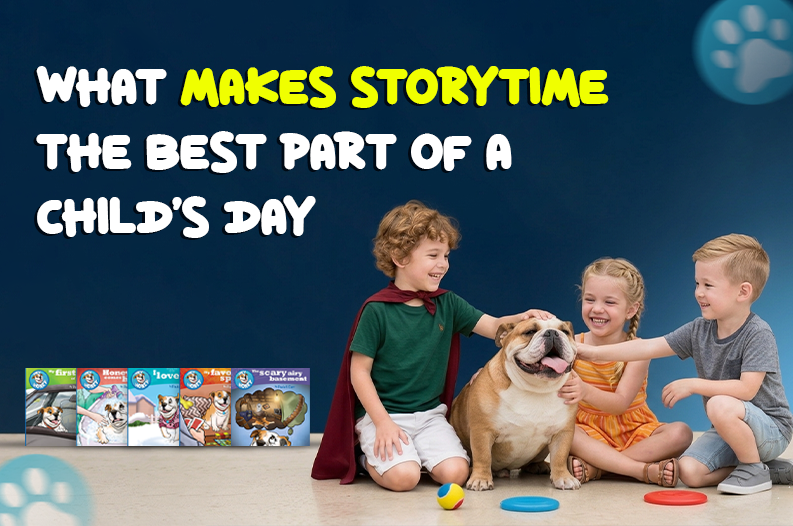
What Makes Storytime the Best Part of a Child’s Day

How Hey Honey Encourages Problem-Solving in Children

Storytime often becomes the most anticipated part of a child’s day, not because of the story alone, but because of the feeling it creates. In a day filled with movement, instructions, and transitions, this is one of the few moments that gently slows everything down. The pace becomes softer. The voice becomes calmer. The environment feels safe and focused. Children naturally respond to this shift. Their minds begin to settle, and their attention becomes stronger without effort. This is why storytime does not feel like a task. It feels like comfort. Over time, children begin to connect reading with ease instead of pressure, which plays a key role in building long-term reading habits.
What makes storytime meaningful is the connection it builds. Unlike structured learning, there is no expectation to perform or respond correctly. A child is not being tested or corrected. They are simply present, sharing a quiet experience with someone they trust. Research in child development shows that emotional presence has a stronger impact than instruction in early learning stages. During storytime, children notice tone, pauses, and attention more than the words themselves. This shared experience strengthens the parent-child bond in a natural way. It creates a sense of security that supports both emotional growth and learning.

storytime also helps children understand their emotions. Young children may not always have the words to express what they feel, but they recognize those feelings when they appear in stories. A moment of curiosity, fear, or kindness becomes something they can relate to. This allows them to process emotions in a safe and indirect way. Storytelling plays an important role in emotional development because it helps children connect feelings with understanding. Over time, they begin to recognize their own emotions more clearly, which supports confidence and communication.

Another reason storytime stands out is its natural interaction. Children often pause to ask questions or share thoughts while listening. These moments are not interruptions. They are signs of engagement. When a child asks questions, they are actively thinking and connecting with the story. This improves comprehension, curiosity, and problem-solving skills. Storytime becomes more than reading. It becomes a shared experience where ideas are explored together. This kind of engagement supports both learning and confidence.

Over time, these moments turn into lasting memories. Children may not remember every detail of a story, but they remember how it felt. They remember the calm, the attention, and the connection. This emotional memory is what makes storytime powerful. It builds more than reading habits. It creates a space where a child feels understood and secure. That is what makes it one of the most meaningful parts of their day.
© 2017-2026 Paula Carr All rights reserved.

Share this post in

Join today!

Paula I. Carr

Paula I. Carr is a Washington, D.C.–based author and creator of the Hey, Honey! children’s book series.

Share this post in

Join today!