How Hey Honey Encourages Problem-Solving in Children
The Day Honey Shared Her Favorite Toy
It was a sunny afternoon, and Honey was excited for playtime. She had her favorite red ball ready and couldn’t wait to show it to her friends. When everyone gathered, they all wanted to play with it too — and that’s when Honey felt a little unsure.
Should she share it or keep it for herself?
After thinking for a moment, she smiled and said, “Let’s all play together!” Soon, everyone was laughing, taking turns, and making up new games. The fun doubled — just because Honey decided to share.
That day, she learned something simple but special — sharing doesn’t mean losing; it means gaining more joy.
The Real Benefits of Sharing in Play
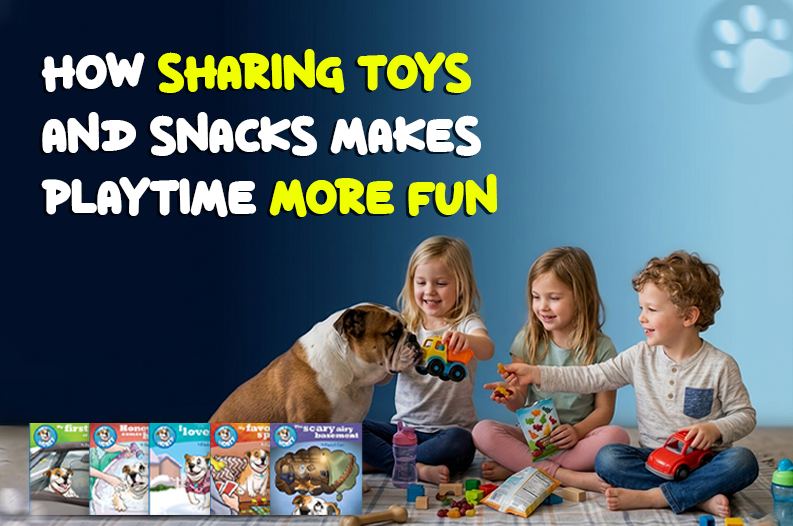
When children share toys and snacks, they do more than just pass things around. They build friendships, learn cooperation, and understand kindness in action.
Sharing teaches children that everyone’s happiness matters. It helps them see that fun grows when it’s spread around. Whether it’s a toy car, a puzzle, or a cookie — the joy of giving makes playtime brighter.
Children who learn to share early also find it easier to make friends and feel more included in group play.
Sharing Toys: More Than Just Taking Turns
Honey’s red ball became a lesson in teamwork. Sharing toys encourages patience, turn-taking, and respect for others. It helps children understand that waiting for their turn is part of the fun.
Through sharing toys, kids also learn problem-solving. When two friends want the same toy, they find creative ways to play together — maybe by setting a timer, inventing a group game, or trading toys.
These small experiences are powerful. They shape how children handle relationships and emotions as they grow.
Sharing Snacks: The Sweet Side of Friendship
Later that day, Honey’s mom brought some yummy fruit snacks. Without hesitation, Honey offered them to her friends. Soon, the little group was giggling, swapping pieces, and chatting happily.
Sharing snacks might seem simple, but it builds generosity and gratitude. It helps children understand that kindness can be shown through everyday actions — like offering a friend the last cookie or saving a piece for someone else.
When kids share food, they also learn appreciation — both for giving and receiving.
Group Play Benefits: Where Sharing Shines
In group play, every child brings something unique — their imagination, energy, and creativity. Sharing allows these differences to come together beautifully.
Games become more exciting when ideas are mixed, turns are taken, and laughter is shared. Children learn teamwork naturally, without anyone needing to explain it.
From playground adventures to indoor playdates, sharing games for children help build confidence, empathy, and strong friendships.
A Simple Lesson That Lasts a Lifetime
When Honey went home that evening, she told her mom, “Sharing made today more fun!”
And she was right. Sharing teaches children that joy multiplies when it’s shared. It turns ordinary play into lasting memories.
So next time your child heads out to play, remind them — sharing toys and snacks isn’t just about being polite. It’s about making every moment brighter, every game better, and every friendship stronger.
FAQ
What are the main benefits of sharing in play for children?
Sharing in play helps children build social skills, empathy, and cooperation. It teaches them that playtime becomes more enjoyable when everyone takes turns and feels included.
How does sharing toys help children learn teamwork and patience?
When kids share toys, they practice waiting for their turn, respecting others, and finding creative ways to play together. These small experiences teach teamwork, patience, and problem-solving naturally.
Why is sharing snacks an important part of friendship building?
Sharing snacks encourages kindness, generosity, and gratitude. It helps children understand that even small acts — like offering a treat — can make friends feel cared for and connected.
How can parents encourage sharing during group play or playdates?
Parents can plan sharing games for children, set clear turn-taking rules, and praise moments of cooperation. Making sharing fun — not forced — helps kids enjoy giving and playing together.
What long-term lessons do children learn from sharing during playtime?
Children who learn to share early often develop stronger friendships, better emotional control, and lasting social confidence. They realize that real happiness grows when play, laughter, and kindness are shared.
© 2017-2026 Paula Carr All rights reserved.